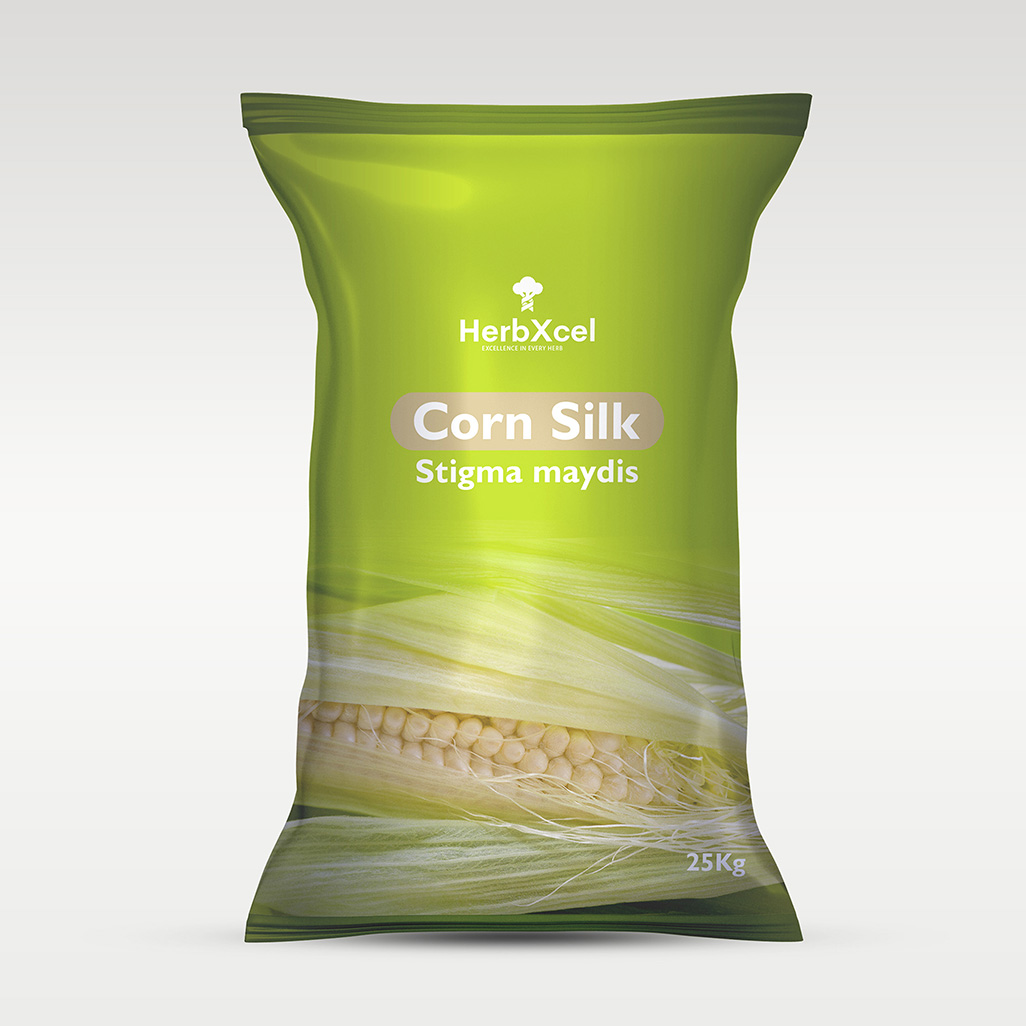
Traditional Uses:
- Urinary tract infections and bladder health
- Cholesterol management
- Blood pressure regulation
- Mild diuretic
- Blood sugar control
Scientific Evidence:
- Cholesterol Management:
- Wang, B., Xiao, T., Ruan, J., & Liu, W. (2020). Beneficial effects of corn silk on metabolic syndrome. Molecules, 25(21), 5069. https://doi.org/10.3390/molecules25215069
- This review examined corn silk’s bioactive compounds and found it contains flavonoids and polysaccharides that can lower LDL cholesterol levels and improve lipid profiles through multiple mechanisms.
- Urinary Health:
- Du, Q., Ito, Y., & Wu, C. (2010). Diuretic and anti-inflammatory effects of traditional Chinese medicinal herb, corn silk. Journal of Ethnopharmacology, 132(1), 101-105. https://doi.org/10.1016/j.jep.2010.05.059
- The study confirmed traditional claims about corn silk’s diuretic effects through clinical measurements of urine output and electrolyte excretion.
- Anti-Inflammatory Properties:
- Hasanudin, K., Hashim, P., & Mustafa, S. (2012). Corn silk (Stigma maydis) in healthcare: A phytochemical and pharmacological review. Molecules, 17(8), 9697-9715. https://doi.org/10.3390/molecules17089697
- Comprehensive review documenting corn silk’s antioxidant compounds (maysin, flavonoids) and their role in reducing inflammation and oxidative stress markers.
- Blood Glucose Regulation:
- Zhao, W., Yin, Y., Yu, Z., Liu, J., & Chen, F. (2012). Comparison of anti-diabetic effects of polysaccharides from corn silk on normal and hyperglycemia rats. International Journal of Biological Macromolecules, 50(4), 1133-1137. https://doi.org/10.1016/j.ijbiomac.2012.02.004
- Research demonstrated that corn silk polysaccharides improved glucose tolerance and insulin sensitivity in animal models of diabetes.